Loading...
Serving Lufkin, TX and surrounding areas. (936) 955-1207
Uninsulated basement walls let heat and humidity into your home from below. We fix that with proper insulation and moisture management built for East Texas conditions.
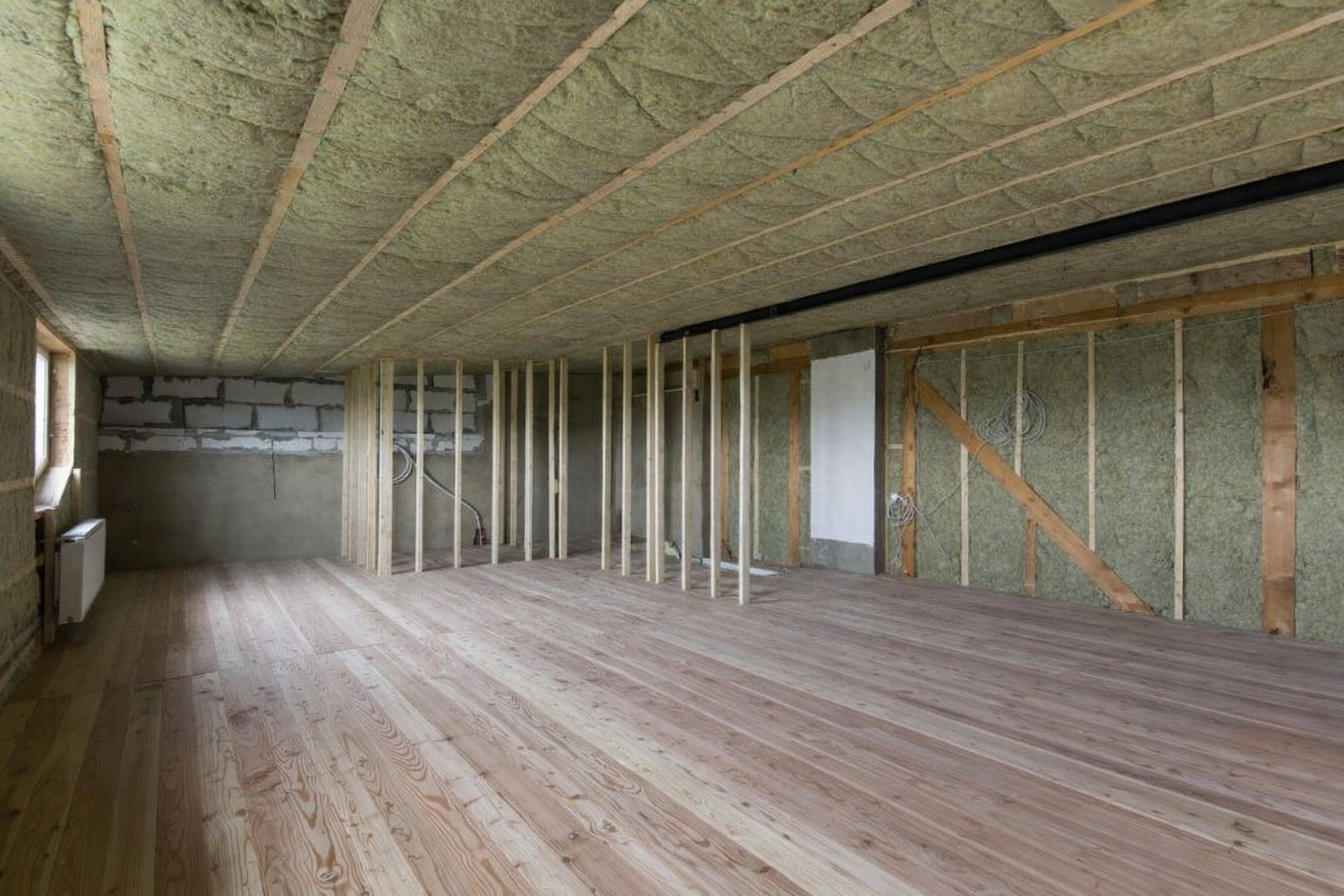
Basement insulation in Lufkin creates a barrier between your living space and the heat and humidity pushing in through foundation walls, and most residential projects are completed in one to two days.
In Angelina County, uninsulated basement walls act as a direct path for summer heat to enter your home from below - working against your air conditioner all season long. If your first floor runs warmer than the rest of the house, or your energy bills spike every summer, your foundation is likely part of the problem. Many homeowners also pair basement insulation with crawl space insulation to address moisture and comfort issues from both below-grade spaces at once.
Lufkin's climate - long, hot summers with humidity regularly above 80% - means moisture management is just as important as the insulation itself. We check for water intrusion before anything goes in, because insulating over a damp surface creates problems that cost far more to fix than the original job.
If your electric bill climbs sharply from June through September and your thermostat settings have not changed, heat is likely entering through uninsulated foundation walls. In Lufkin's climate, an uninsulated basement or lower level acts like a heat sink, forcing your air conditioner to work harder and longer than it should.
Walk your first floor in bare feet. If it feels noticeably cooler in winter or warmer in summer than other rooms, the basement ceiling is probably not insulated - or the insulation that is there has settled, shifted, or been damaged over time. This is one of the most reliable signs homeowners can check without any tools.
In Lufkin's humid summers, warm outdoor air can enter an uninsulated basement and condense on cooler surfaces - walls, pipes, and stored items. That persistent musty smell is often the first sign of a moisture problem. If you also see white chalky deposits on the walls, address the moisture source before insulating.
Older fiberglass batt insulation that has been wet, compressed by stored items, or disturbed by pest activity loses most of its effectiveness. If the insulation in your basement looks thin, discolored, or is falling away from the wall, it is likely performing far below its original rating. Replacing it is usually more cost-effective than patching around damaged sections.
We assess your basement before any materials go in - checking for moisture, cracks, and gaps that let outside air enter. Whether the right solution is spray foam on your walls for air sealing and thermal performance, rigid foam board for a cost-effective wall assembly, or fiberglass batts for the basement ceiling, we explain the trade-offs and let you decide. For homes where the basement connects to a crawl space or pier-and-beam section, we also offer crawl space insulation to address both below-grade areas in one project.
For homeowners dealing with older basement walls that have small cracks or air gaps, we often pair insulation with closed-cell foam insulation, which seals air leaks and acts as a moisture barrier in a single application - particularly valuable in East Texas humidity. Every job includes a final walkthrough where we show you what was installed and answer any questions before we leave.
Best for homes with conditioned basements where the walls themselves are the primary source of heat and moisture infiltration.
Suited for unconditioned basements used only for storage, where the focus is keeping the floor above comfortable.
Ideal for basement walls that need both insulation and air sealing in one pass, especially in humid climates.
Recommended for any basement that shows signs of water intrusion before new insulation materials are installed.
Angelina County sits in the Piney Woods region of East Texas, where summer relative humidity regularly exceeds 80%. That level of moisture in the air means that any basement wall insulation project must start with a thorough check for water seepage and condensation. The soils across much of this area are clay-rich, which expand when wet and contract when dry - creating lateral pressure on basement walls over time and small cracks where water and outside air can enter. A contractor who skips the moisture check and installs insulation over a damp surface is setting you up for a mold problem that costs far more to fix than the original job.
Lufkin also averages more than 2,400 cooling degree days per year, meaning the air conditioning runs hard for a long stretch. Basement insulation that keeps conditioned air from escaping through foundation walls pays off most visibly on summer electric bills. Homeowners in Huntington and Nacogdoches face the same soil and humidity conditions, and we regularly serve customers across the wider Angelina County area.
Reach out by phone or through our contact form and we will respond within one business day. We will ask a few basic questions about your basement - size, whether it is finished or unfinished, and what is prompting you to call - so we can prepare for the visit.
We walk your basement and look at the walls, ceiling, existing insulation, and any signs of moisture. This visit typically takes 30 to 60 minutes. We explain what we find as we go - including whether a moisture issue needs to be addressed before insulation can safely be installed.
After the visit, you receive a written estimate that breaks down cost by area and specifies what type of insulation will be used and why. We do not do verbal-only quotes, and we do not pressure you to sign the same day. Compare it at your own pace.
On installation day, the crew works through your basement systematically - air sealing first, then insulation. Most residential jobs finish in a single day. Before we leave, we walk you through the completed work so you know exactly what was installed and where.
Free written estimate. We come to you, assess your specific situation, and give you a clear quote - no obligation.
(936) 955-1207In Lufkin's humid climate, installing insulation over a damp wall is one of the most common and costly mistakes a contractor can make. We inspect for water intrusion on every basement job before a single material goes in. That step protects your investment and keeps you from discovering a mold problem six months later.
Every price we give you is in writing, broken down by area and material. You know exactly what you are getting and what it costs before work begins. That protects you if anything changes and gives you a real basis for comparing bids from other contractors.
Basement insulation in a high-humidity climate like Angelina County requires different decisions than the same job in a dry northern state. We have worked on homes throughout Lufkin and the surrounding area and know the soil conditions, humidity challenges, and housing stock that make this region specific. For authoritative guidance on insulation types and R-values, we follow U.S. Department of Energy guidance on insulation.
A lot of homeowners tell us they have hired contractors before and were not sure what they actually got for their money. We walk you through the completed work before we pack up - showing you what was installed, where, and what it is designed to do. You never have to guess whether the job was done right.
These proof points add up to a single commitment: you get a basement insulation job that is done correctly the first time, with no hidden problems left behind. Call us or submit a request and we will come take a look.
A dense, rigid foam that seals air gaps and acts as a moisture barrier - commonly used on basement walls in humid East Texas climates.
Learn MoreFor pier-and-beam homes with a crawl space rather than a full basement, insulating this area addresses heat and moisture from below the living space.
Learn MoreSpring is the best time to schedule - before heat and humidity peak and our calendar fills up. Call now or request a free estimate online.